Remittance Costs: What’s Charged and How to Save
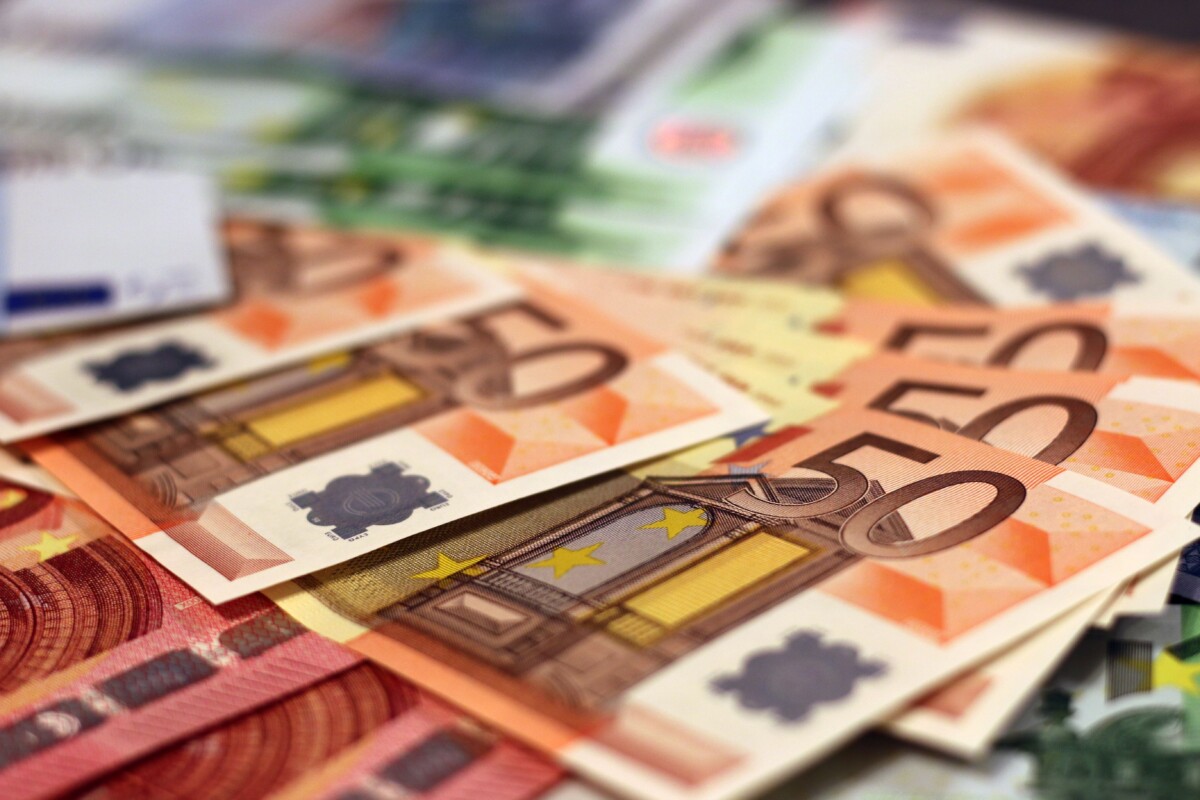
Jakarta, Pintu News – When sending money abroad, many people only pay attention to the amount sent without realizing the various components of remittance costs that can cut a significant portion from the funds received. Indonesian banks charge an average total cost of between Rp100,000 to Rp300,000 per transaction, not including hidden exchange rate spreads that can reach 2-5%.
This article outlines all remittance cost components transparently and provides practical strategies to save on them, including utilizing USDT stablecoins which can slash costs by 80-90%.
Remittance Cost Components You Need to Know
Remittance costs are not just a single number shown on the confirmation screen. There are several layers of costs to understand. First is the telex fee or transfer fee, the basic fee charged by the sending bank to process the transfer instruction through the SWIFT network. BCA, for example, charges a telex fee of Rp50,000 per transaction, while some other banks use the term provision fee or service fee.
Second is the correspondent fee or full amount fee. In a SWIFT transfer, funds usually pass through one or more correspondent banks as intermediaries before reaching the recipient bank in the destination country. Each of these intermediary banks can deduct a fee of between USD 10 to USD 20. So that the recipient receives the full amount, the sender must pay the “full amount” fee upfront, which ranges from USD 20-30 at most Indonesian banks.
Third is the exchange rate spread or exchange rate markup. This is the cost most often unnoticed by senders. Banks and transfer services generally use an exchange rate different from the mid-market rate, and the difference goes in as their profit. At conventional banks, this spread can reach 2-5% of the total transfer amount, far larger than the stated fixed fee.

Read also: “What is Remittance? Here’s How It Works and How to Send It!“
Breakdown of Remittance Costs at Indonesian Banks
Here is an overview of remittance costs at several major Indonesian banks based on the latest 2026 data. BCA charges a telex fee of Rp50,000 plus a full amount fee of USD 20 per outward remittance transaction. Bank Mandiri charges a service fee of USD 25 for transfers in US dollars and USD 30 for other foreign currencies. CIMB Niaga charges approximately USD 25 per transaction via SpeedSend.
Beyond these fixed fees, all banks also take a margin from the exchange rate offered. It should be noted that correspondent fees can vary depending on the destination country and the transfer route chosen by the system, so recipients sometimes receive a slightly different amount than what the sender expected if they did not choose the full amount option.
Remittance Costs via Modern Fintech Services
Fintech services such as Wise and Flip Globe offer a remittance cost structure that is far more transparent and competitive. Wise uses the mid-market exchange rate without markup, with fees displayed upfront ranging from 0.5% to 2% of the transfer amount. Flip Globe charges fees starting from Rp25,000 with competitive exchange rates to more than 60 countries. Both services use a local payout system, so funds do not have to go through a chain of correspondent banks that might deduct additional fees.
As an illustration, for a USD 1,000 transfer to the United States, the difference in total cost between a conventional bank and Wise can reach Rp200,000 to Rp600,000 when accounting for all components including the exchange rate spread. This is a fairly significant figure, especially for senders who make remittances regularly every month.
USDT Stablecoin: The Lowest-Cost Remittance Solution
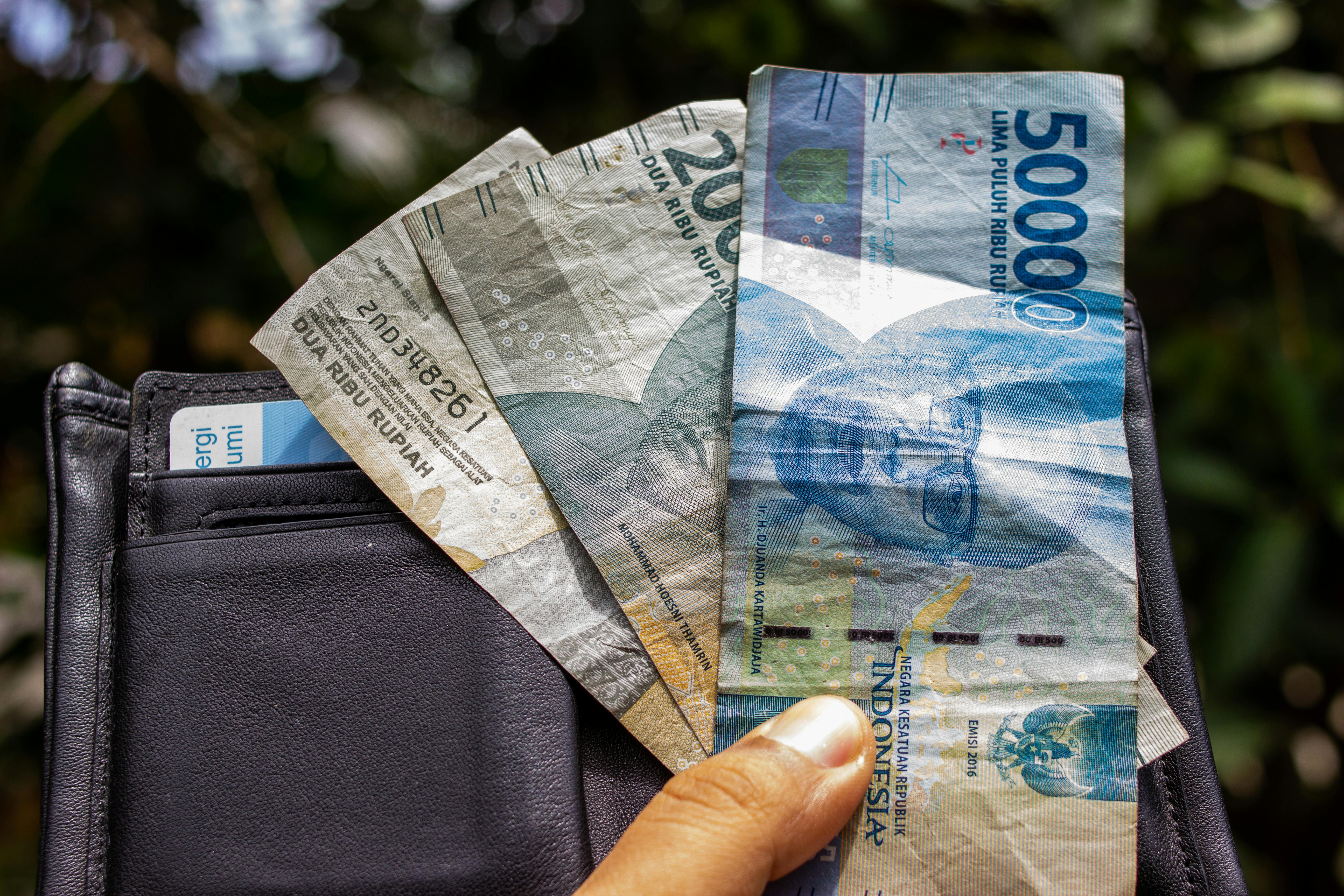
For those already familiar with crypto, USDT stablecoins offer a way to drastically cut remittance costs. Using stablecoins for international transfers can reduce costs by up to 80-90% compared to traditional electronic transfers. The TRON network (TRC-20) transaction fee, which processes around 92% of global USDT transactions, is only a few cents per transfer, with settlement time of just a few minutes.
Its value is stable, pegged 1:1 against the US dollar, so there is no volatility risk. The sender buys USDT on an Indonesian crypto platform like Pintu, sends it to the recipient’s wallet abroad, and the recipient converts it to local currency. This method is increasingly relevant as crypto adoption for business and global remittance purposes grows, including among Indonesian migrant workers.
Read also: “Why Stablecoins Are Effective for Business Operational Cost Efficiency“
Tips to Save on Remittance Costs
There are several practical strategies to reduce remittance costs.
First, always calculate the total overall cost including the exchange rate spread, not just the stated fixed fee. Compare the offered exchange rate with the mid-market rate on Google or XE.com to find out how much markup is being charged.
Second, consolidate transfers: sending one larger amount is more efficient than several small transfers, because the fixed fee is only charged once.
Third, choose services with transparent cost structures such as Wise or Flip Globe that display all fees before confirmation. Fourth, for regular senders or businesses with high transfer volumes, USDT stablecoins are worth considering as a far more cost-effective alternative channel.
Frequently Asked Questions About Remittance Costs
What are the components of remittance costs?
Remittance costs consist of: telex/transfer fee (fixed fee from the sending bank), correspondent fee (deducted by SWIFT intermediary banks, USD 10-20 per bank), and exchange rate spread (2-5% markup above the mid-market rate). Together, these three can reach Rp100,000-Rp300,000 per transaction at Indonesian conventional banks.
How do I calculate the actual remittance cost?
Compare the offered exchange rate with the mid-market rate from Google or XE.com. The difference multiplied by the transfer amount is the exchange rate spread cost. Add the fixed fee and correspondent fee to get the true total cost.
Is there a way to make international transfers without correspondent fees?
Yes. Fintech services such as Wise and Flip Globe use a local payout system that avoids correspondent fees. USDT stablecoin via blockchain also does not involve correspondent banks, so the cost is far lower.
What is the cheapest remittance cost from Indonesia?
USDT stablecoin via the TRC-20 network offers the lowest cost, just a few cents per transaction. For direct transfers to a destination bank account, Wise and Flip Globe are generally more affordable than conventional banks.
Follow us on Google News to get the latest information about the crypto world and blockchain technology. Check Bitcoin prices, USDT to IDR and tokenized Nvidia stock prices through Pintu Market.
As a secure crypto app, Pintu delivers a crypto trading experience and easy access to crypto gold investment. You can also view today’s gold jewelry prices and today’s gold bar prices to support your investment and portfolio diversification activities, as well as learn crypto through Pintu Academy.
Download the Pintu crypto app through the Play Store or App Store now. Enjoy the web trading experience with various advanced trading tools such as pro charting, various order types, and a portfolio tracker only at Pintu Pro.
*Disclaimer:
This content aims to enrich readers’ information. Pintu collects this information from various relevant sources and is not influenced by outside parties. Please note that past asset performance does not determine future performance projections. Crypto buying and selling activities carry high risks and volatility; always conduct independent research and use cold money before investing. All Bitcoin buying and selling activities and other crypto asset investments are the reader’s responsibility.
References
- “Remittance: Definition, Types, Components, Process and How to Transfer“. DBS. Accessed on June 23, 2026.
- “List of Indonesian Bank Transfer Fees to Abroad“. Flip. Accessed on June 23, 2026.
- Nurmianti Nurmianti. “Transfer Fee Abroad: How Much and What’s the Most Economical Way?“. Wise. Accessed on June 23, 2026.
- “Why Stablecoins Are Effective for Business Operational Cost Efficiency“. Pintu News. Accessed on June 23, 2026.